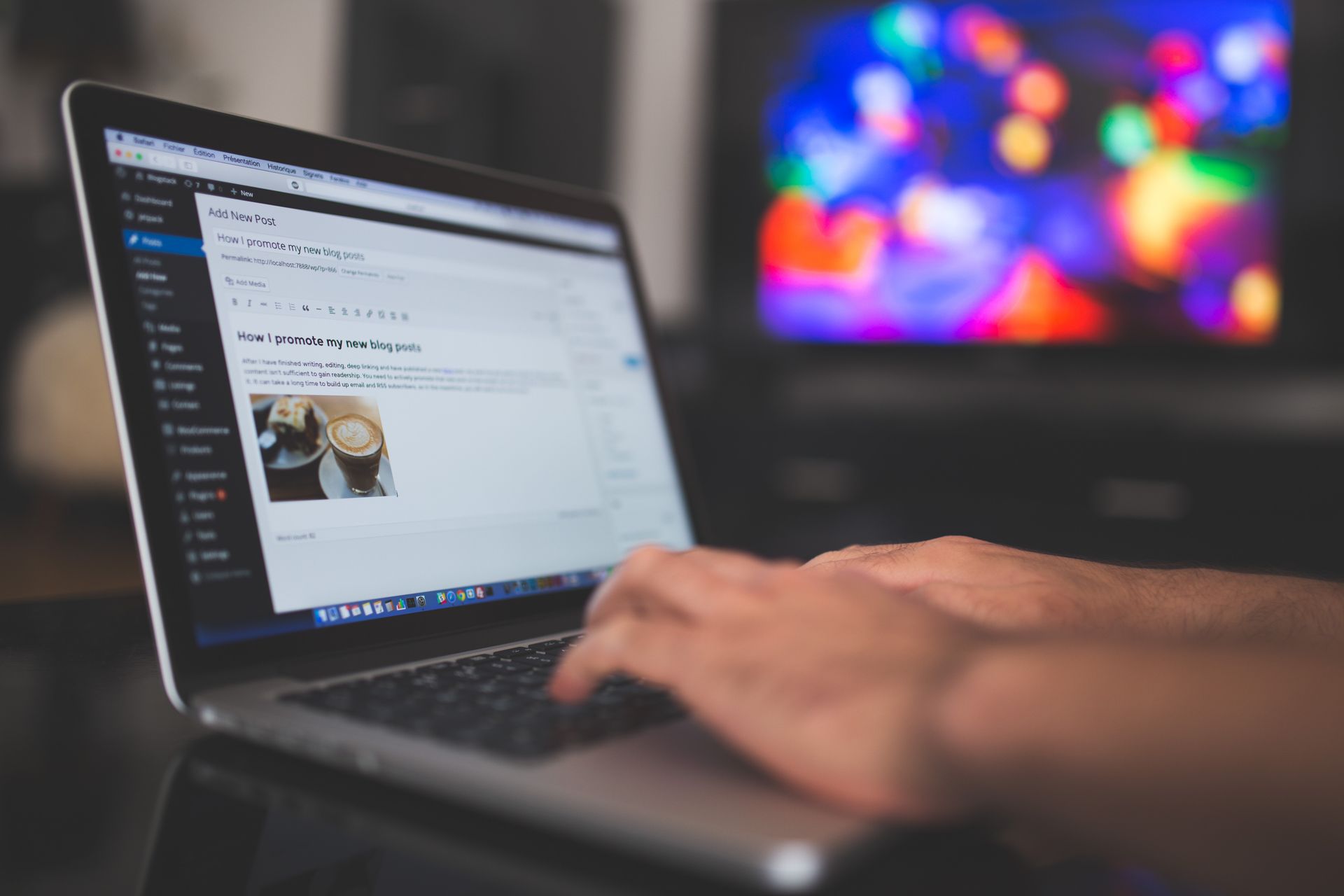
The Future of Web Design: Latest Trends, Tools, and Techniques for 2026 The world of web design is evolving faster than ever. As technology advances and user expectations continue to grow, websites are becoming smarter, faster, and more interactive. Businesses, entrepreneurs, and designers must stay ahead of these changes to create websites that not only look beautiful but also deliver exceptional user experiences. In 2026, web design is being shaped by artificial intelligence, immersive experiences, mobile-first development, and a stronger emphasis on accessibility and performance. Understanding these emerging trends and technologies will help businesses remain competitive in an increasingly digital world. In this article, we explore the future of web design, the latest trends, the most powerful tools, and the techniques that will define the next generation of websites. Why the Future of Web Design Matters Web design is no longer just about creating attractive layouts. Modern websites have become essential tools for communication, marketing, sales, and customer engagement. A well-designed website can: Improve user experience. Increase conversion rates. Boost search engine rankings. Strengthen brand identity. Enhance customer trust. Generate more leads and sales. As technology continues to evolve, businesses that embrace modern web design practices will have a significant competitive advantage. Top Web Design Trends in 2026 1.AI-Powered Web Design Artificial Intelligence (AI) is revolutionizing the way websites are designed and managed. AI tools are helping designers: Create personalized user experiences. Generate layouts automatically. Produce content faster. Optimize images and SEO. Analyze user behavior. AI-powered chatbots and virtual assistants are also improving customer interactions and providing instant support . Benefits of AI in Web Design Faster website development Increased productivity. Better user engagement Personalized experiences. Improved conversion rates. Mobile-First Design More than half of global internet traffic comes from mobile devices. In 2026, designing for mobile users first is no longer optional. Mobile-first websites feature: More than half of global internet traffic comes from mobile devices. In 2026, designing for mobile users first is no longer optional. Mobile-first websites feature: Faster loading speeds. Touch-friendly navigation Optimized images.